
Investigate Every Result and Act Before Trends Become Failures.
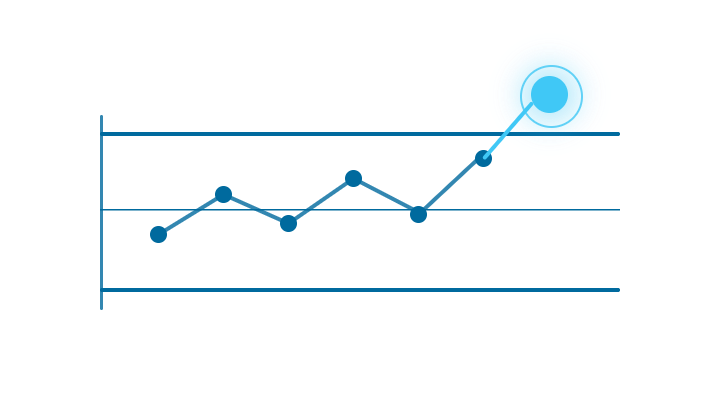
Connected OOS & OOT Management Across the Quality Lifecycle
OneQMS OOS & OOT Management Software helps pharmaceutical, biotechnology, CRO, CDMO, medical device, and other regulated organizations manage Out of Specification (OOS) and Out of Trend (OOT) investigations through a structured, controlled, and traceable process. From identifying an unexpected laboratory result and initiating an investigation to root cause analysis, review, approval, corrective action, and final disposition, every investigation is managed within a single connected workflow.
Each OOS and OOT Investigation record captures the information required to assess and investigate the result, including testing data, laboratory observations, investigation details, impact assessment, supporting evidence, root cause, conclusions, approvals, and final disposition. Configurable workflows help teams follow established procedures while maintaining consistency, accountability, and a complete history of investigation activities and decisions.
OneQMS connects OOS and OOT Investigations with related Deviations, CAPAs, Change Controls, Quality Issues, Incidents, Audit Findings, Customer Complaints, Documents, and Training, providing context across the wider quality system. Automated notifications, task assignments, due date tracking, escalations, and electronic approvals help teams coordinate investigations and ensure required actions are completed within defined timelines.
Built for organizations operating under GMP, GxP, FDA 21 CFR Part 11, and EU Annex 11 requirements, OneQMS provides controlled electronic records, role-based access, configurable workflows, electronic approvals, and comprehensive audit trails to support data integrity, regulatory compliance, and inspection readiness.
Whether you are looking for OOS Management Software, OOT Management Software, OOS Investigation Software, OOT Investigation Software, Laboratory Investigation Software, Out of Specification Tracking Software, Out of Trend Management Software, or an integrated eQMS, OneQMS provides a secure, cloud-based platform that standardizes laboratory investigations, improves investigation visibility, supports timely resolution, and helps protect product and process quality.
Key Capabilities
Centralized OOS & OOT Investigations
Manage unexpected laboratory results within a centralized investigation record, bringing testing information, observations, evidence, assessments, and conclusions together in one controlled environment.
Structured Investigation Workflow
Guide OOS and OOT investigations through defined stages and required activities, helping teams apply a consistent approach while maintaining visibility into investigation progress.
Laboratory Result Assessment
Document relevant testing information and observations while assessing the significance and potential impact of an unexpected result before determining the appropriate investigation path.
Connected Quality Processes
Link OOS and OOT investigations with Deviations, CAPAs, Change Controls, Quality Issues, Incidents, Audit Findings, and Customer Complaints when an investigation identifies a broader quality concern or requires additional action.
Investigation and Disposition Management
Track investigation findings, conclusions, approvals, follow-up activities, and final disposition in a controlled workflow, providing a complete record from the initial result through resolution.
Data Integrity & Inspection Readiness
Maintain controlled electronic records, role-based access, approvals, traceability, and audit history to support GMP, GxP, FDA 21 CFR Part 11, and EU Annex 11 requirements and facilitate retrieval of investigation evidence during inspections.
Key Features
OOS & OOT Lifecycle Management
Manage investigations from result identification and assessment through investigation, review, disposition, and closure.
Investigation Initiation
Capture relevant laboratory results and initiate structured investigations with the required information.
Laboratory Data Management
Maintain testing information, laboratory observations, investigation records, and supporting evidence within the investigation record.
Impact Assessment
Document the potential impact of unexpected results on products, processes, batches, or quality decisions.
Root Cause Analysis
Structure investigation activities to identify potential causes, contributing factors, and the source of unexpected results.
Investigation Action Tracking
Assign and monitor follow-up activities resulting from OOS and OOT investigations.
Quality Event Linkage
Connect investigations with Deviations, CAPAs, Change Controls, Quality Issues, Incidents, Audit Findings, Complaints, Documents, and Training.
Configurable Investigation Workflows
Configure review, approval, assignment, and closure steps according to established procedures.
Electronic Reviews and Approvals
Route investigation records and conclusions through controlled approval workflows.
Complete Audit Trail
Maintain a detailed history of investigation activities, data changes, decisions, reviews, approvals, and final disposition.